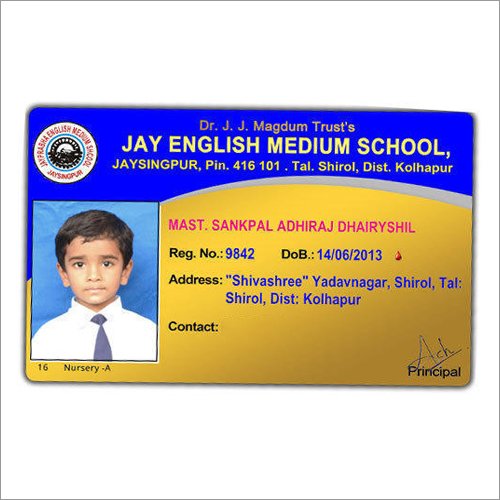
Embarking on student life is an exciting journey, and often, one of the first tangible symbols you’ll receive—or create—is your student ID card. Far more than just a piece of plastic or paper, this card is your passport to a myriad of opportunities and a key identifier in your academic world. But what if your institution doesn't provide one, or you need a temporary solution? That's where Printing and Protecting Your DIY Student ID Card comes in, ensuring you have a functional, durable, and professional-looking credential ready for whatever student life throws your way.
Creating your own student ID doesn't have to be a flimsy workaround. With the right tools and a little know-how, you can craft a card that's not only visually appealing but also robust enough to withstand daily wear and tear. This guide will walk you through transforming a digital design into a physical reality, then arm you with the smart care strategies to make it last.
At a Glance: Your DIY ID Journey
- Design Smart: Use high-quality images and clear information for a professional look.
- Print Precision: Choose the right paper and printer settings for a crisp, durable output.
- Fortify for Longevity: Lamination and protective holders are your best friends.
- Daily Habits Matter: Simple care routines drastically extend your card's life.
- Stay Safe: Your ID is personal; protect its information and report loss immediately.
- Know Its Value: Understand the many uses of your ID to maximize its utility.
Why Your Student ID Card Matters More Than You Think
A student ID card might seem like a minor detail, but it's a powerful tool in your academic arsenal. It validates your student status, unlocks privileges, and can even be a lifesaver in unexpected situations. Understanding its utility underscores the importance of not just having one, but having a well-protected one.
Here’s a snapshot of what your student ID card empowers you to do:
- Access to School Facilities: From the gym to specialized labs, your ID is often the gatekeeper.
- Library Privileges: Borrow books, use computers, and access digital resources.
- Attendance Tracking: Essential for logging your presence in classes or campus events.
- Exam Identification: A non-negotiable requirement for proving your identity during tests.
- Transportation Services: Sometimes, your ID grants you discounted or free public transport.
- Discounts at Partnered Establishments: From cafes to tech stores, student discounts add up!
- School Events and Functions: Entry to sports games, concerts, and social gatherings.
- Emergency Situations: Helps staff identify you quickly and access vital contact information.
- Parental Verification: Facilitates communication and verification for guardians.
- Resource Checkouts: Equipment, keys, or specific materials often require ID verification.
Considering these critical uses, ensuring your DIY student ID card is robust and readily available isn't just convenient—it's essential for a smooth and successful student experience.
Crafting Your Digital ID Masterpiece
Before you even think about printing, the foundation of a great DIY student ID card lies in its digital design. Our online tool makes this process incredibly user-friendly, allowing you to create a professional-grade ID without needing graphic design expertise. Imagine a card that looks official, contains all your necessary details, and represents your institution with clarity.
When you use Our student ID card generator, you'll notice a thoughtful layout designed for maximum utility and visual appeal. The front of your card is where most of your key information resides:
- A circular frame elegantly showcases your student photo, making identification quick and clear.
- The school/institute's logo is prominently displayed in the top left, asserting your affiliation.
- Your student's name, class, and contact number are clearly listed, along with guardian information for emergencies.
- A distinctive black background highlights your Enrollment Number or ID at the bottom, making it easy to spot.
- In the bottom right, a QR code is generated from the information you provide, offering a quick scan for verification or access to more details.
The back of the card isn't neglected either. It provides essential space for terms and conditions relevant to the card's use and your institute's contact information, ensuring all vital data is at hand.
Five Pillars of a Stellar ID Card Design
Even with a fantastic generator, a little attention to detail from your end can elevate your DIY ID from good to great. Here are the five golden rules for crafting your digital ID:
- Clear Photos: Always use high-resolution, recent student photos. Think passport photo style – clear, well-lit, front-facing, and free from distractions. A blurry photo undermines the entire card's credibility.
- Consistent Design: While our tool handles most of this, ensure any custom elements you add (like a logo if you're uploading your own) maintain a uniform aesthetic. This professionalism signals trustworthiness.
- QR Code Accuracy: The QR code is a dynamic feature. Double-check all the information you input for the card. Any inaccuracies mean the QR code won't function effectively, rendering a crucial feature useless.
- Legible Fonts: Our generator uses optimized fonts, but if you have options, always opt for clear, readable typefaces. Avoid overly decorative or tiny fonts that strain the eyes, especially for critical details like your ID number.
- Comprehensive Information: Include all essential details required by your institution or for the card's intended use. However, avoid overcrowding the design. The goal is clarity and conciseness.
By following these design principles, you're setting yourself up for a superior print quality and a highly functional student ID card.
Bringing Your ID to Life: The Printing Process
You've meticulously crafted your digital ID; now it's time to translate that masterpiece into a tangible card. The printing stage is where the quality of your finished product truly takes shape. Skimp here, and even the best digital design can fall flat.
Choosing Your Tools: Printer and Paper
The right equipment makes all the difference:
- Printer Type: For the best results, an inkjet printer designed for photo quality or a laser printer for crisp text and durability is ideal. While a standard home printer can work, one with higher DPI (dots per inch) will produce a sharper image and clearer text.
- Paper Stock: This is paramount for durability.
- Card Stock: A heavy card stock (100 lb or 270 gsm and above) offers significant rigidity and a professional feel. It's more resistant to bending and tearing than standard paper.
- Photo Paper: For vibrant colors and sharp images, high-quality matte or glossy photo paper can be excellent, especially if you plan to laminate. Opt for thicker photo paper to add substance.
- Specialty ID Paper: Some office supply stores carry pre-perforated ID card paper or printable PVC sheets that are designed for this very purpose. These are often the easiest and most durable options if available.
Printer Settings for Optimal Output
Don't just hit "print" and hope for the best. Adjusting your printer settings can dramatically improve quality:
- Best Quality Setting: Always select the highest print quality setting your printer offers (e.g., "Best," "Photo Quality"). This ensures maximum detail and color accuracy.
- Paper Type Match: Crucially, set your printer to match the paper type you're using (e.g., "Glossy Photo Paper," "Card Stock," "Heavyweight Matte"). This tells the printer to adjust ink saturation and drying times for that specific medium.
- Borderless Printing: If your printer supports it, choose "Borderless Printing" to ensure the design extends all the way to the edges, giving it a more finished, professional look.
- Print a Test Page: Before committing to your final card, print a small section or a draft on a regular piece of paper. Check for correct sizing, alignment, and color representation.
The Art of the Cut
Once printed, precision cutting is key.
- Sharp Scissors or Craft Knife: For clean edges, use very sharp scissors or, even better, a craft knife with a cutting mat and a ruler.
- Guillotine Paper Cutter: If you have access to one, a guillotine cutter provides perfectly straight, professional edges with minimal effort.
- Corner Rounder: To mimic the look and feel of official cards and prevent corner fraying, invest in a corner rounder punch. These are inexpensive and make a huge difference in durability and aesthetics.
Take your time with cutting. A well-printed card with jagged edges immediately looks amateurish.
Fortifying Your Credential: Mastering ID Protection
Printing is only half the battle. To ensure your DIY student ID card stands up to daily student life—from crowded backpacks to coffee spills—you need to protect it. This is where "smart care" truly comes into play, transforming a simple piece of paper into a durable, long-lasting credential.
The Lamination Layer: Your First Line of Defense
Lamination is perhaps the most critical step in protecting your DIY ID. It encases your card in a protective plastic layer, making it resistant to water, tears, smudges, and general wear.
- Laminating Pouches & Machine: For the best results, use a laminating machine with appropriate laminating pouches (typically 3-5 mil thickness for cards). Place your carefully cut ID card inside the pouch, ensuring it's centered with even borders, and feed it through the machine according to instructions.
- Self-Laminating Sheets: If you don't have a laminator, self-adhesive laminating sheets are an excellent alternative. These come with a peel-and-stick backing. Be very careful during application to avoid bubbles and wrinkles.
- Clear Contact Paper: As a budget-friendly option, clear contact paper can provide a basic layer of protection. It's less durable than dedicated laminating pouches but still better than nothing.
Whichever method you choose, aim for a tight, bubble-free seal. This protective layer will be instrumental in the card's longevity.
Beyond Lamination: Daily Care and Smart Habits
Even with lamination, the way you handle and store your ID card matters immensely. Here are twelve expert tips for students to ensure the safety and optimal use of their ID cards:
Physical Safeguards
- Invest in a Durable Holder: A sturdy plastic sleeve, a rigid card case, or a wallet slot specifically designed for IDs will absorb impacts and prevent scratches.
- Use Secure Lanyards or Clips: If carrying your ID around your neck, ensure the lanyard has a breakaway feature for safety and that the clip firmly grips the card holder, not the card itself.
- Avoid Bending or Folding: Treat your laminated ID like a credit card. Bending can cause the lamination to crack or separate, compromising the card's integrity.
- Remove Before Laundry (if not waterproof): Even laminated cards aren't always completely waterproof, especially if the seal is compromised. Make it a habit to check pockets before tossing clothes in the wash.
- Use the Provided Holder: If your institution or club gives you a specific ID holder, use it! It’s usually designed to fit and protect their cards best.
Habitual Care
- Regularly Check Pockets and Bags: A quick check before leaving a location can prevent accidental loss.
- Create a Designated Storage Spot: Whether it's a specific wallet slot, a desk organizer, or a hook by the door, having a "home" for your ID reduces the chances of it going missing.
- Handle with Clean Hands: Grease, dirt, and oils from your hands can transfer to the card, potentially smudging it over time or making it less pleasant to handle.
- Be Mindful During Activities (take off if necessary): If you're playing sports, doing strenuous activities, or in environments where your ID could get caught or damaged, it's safer to remove and store it securely.
Information Integrity & Security
- Report Loss Immediately: If your DIY ID card is lost or stolen, report it to your institution (if applicable) and consider updating any online services where the QR code might link. While DIY, it still contains sensitive personal information.
- Avoid Loaning Your Card: Your student ID is personal. Loaning it can lead to misuse of your privileges or identity.
- Inform About Name or Photo Changes: If your name changes or your photo needs updating (e.g., due to significant appearance changes), it's wise to print a new DIY ID card to ensure it accurately represents you.
By integrating these practices into your routine, your DIY student ID card will remain a reliable companion throughout your academic year, proving its worth again and again.
Common Questions & Smart Answers About DIY IDs
Even with the best instructions, a few questions often pop up. Here are answers to some common concerns about creating and caring for your own student ID.
Q: Is a DIY student ID card "official"?
A: A DIY student ID card created with our tool is a visually official-looking document that contains accurate student information. Its "official" status depends entirely on what an individual institution or third-party establishment accepts. For internal school facilities or official verification, a school-issued ID is always preferred. However, for proof of student status for discounts or general identification where a school ID isn't required (e.g., showing eligibility for a student bus pass), a well-made DIY card can be perfectly acceptable. Always check requirements if you're unsure.
Q: How can I ensure the QR code on my DIY ID is readable?
A: The key is high-quality printing and robust protection. Print at the highest resolution possible on quality paper, then laminate with a clear, non-glare pouch. Any blurring from poor printing or scratches/bubbles on the lamination can interfere with scanning. Test the QR code after creation and again after printing/laminating to ensure it functions correctly.
Q: What's the best way to clean my laminated ID card?
A: For a laminated card, a soft, lint-free cloth dampened with a little water or a mild screen cleaner is usually sufficient. Avoid abrasive cleaners or harsh chemicals, which can scratch the lamination or degrade the plastic over time. Gently wipe and then dry immediately.
Q: My ID card is for a temporary course. Should I still go through all these protection steps?
A: Absolutely! Even for short-term use, the card is subject to daily wear. Protecting it ensures it remains legible and functional for the duration of your course, saving you the hassle of reprinting or dealing with a damaged card when you need it most. Plus, the habits you build will serve you well for any future IDs you might have.
Q: Can I put my DIY ID card on my phone case?
A: While convenient, be cautious. If your phone case has a card slot, ensure it's secure and doesn't expose the card to excessive bending, heat (from phone use), or friction that could wear down the lamination. Some phone cases can also magnetize, which won't affect a laminated paper ID, but it's a good general awareness point. A dedicated card holder is generally safer.
The Lifespan of Your DIY ID: When to Update
Even the most diligently protected DIY student ID card won't last forever. Circumstances change, and so too should your identification. Knowing when to update your card is another crucial aspect of smart care.
Consider reprinting and relaminating your DIY ID card if:
- Your Photo No Longer Resembles You: Significant changes in appearance (new haircut, facial hair, weight changes, etc.) can make your ID less effective for identification.
- Key Information Changes: A legal name change, a new contact number, or updated guardian information necessitates a new card to ensure accuracy.
- The Card Shows Significant Wear: Despite your best efforts, deep scratches, peeling lamination, or faded ink can make the card unreadable or unprofessional. A fresh print ensures clarity.
- Your Enrollment Details Change: If your student ID number, class, or program changes, updating your card reflects your current academic status.
- The QR Code Stops Working: If the QR code becomes unreadable due to damage or if the linked information needs updating, a new print will resolve this.
Regularly assessing the condition and accuracy of your DIY student ID card ensures it remains a reliable and useful tool throughout your academic journey.
Your Next Steps: Empowering Your Student Journey
You've now got the playbook for creating a functional, durable, and professional-looking DIY student ID card. From crafting the perfect digital design to printing with precision and fortifying it against the rigors of student life, you're equipped to handle it all.
Remember, a well-cared-for ID isn't just about convenience; it's about seamless access to education, opportunities, and the myriad experiences that make up your student journey. Take pride in your DIY creation, protect it wisely, and let it serve as a testament to your resourcefulness.
Go forth, student, and conquer your studies—your protected DIY ID card is ready to accompany you every step of the way!